© NMAALast updated: March 28, 2026
SNMAA Summit*
Field: Media Art & Art—Science—Technology (MA/AST)
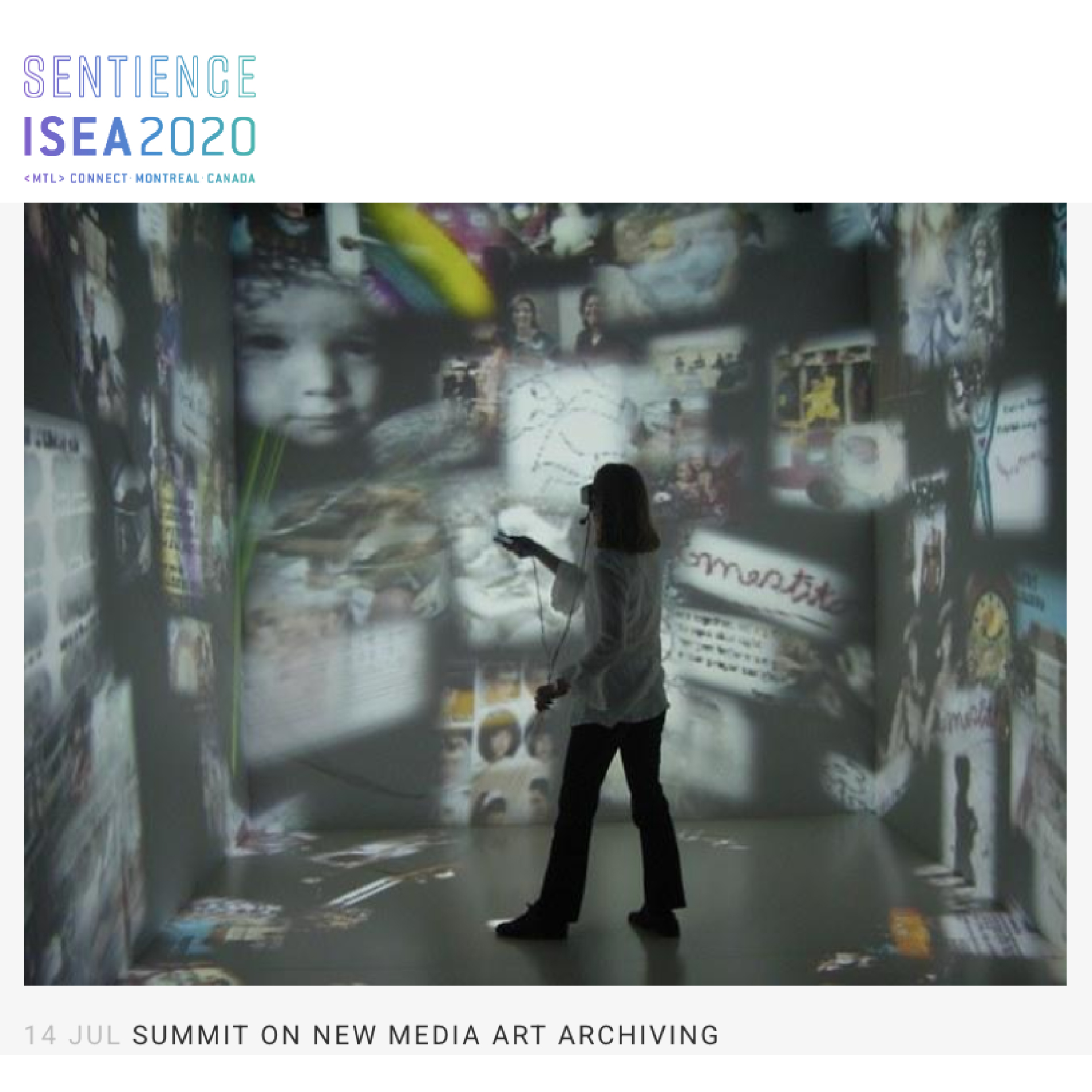
Summit on New Media Art Archiving (SNMAA) is an international, collaborative initiative involving the following archive partners: → ISEA Symposium Archives, → ACM SIGGRAPH History Archive, → Archive of Digital Art (ADA), → Ars Electronica Archive, → FILE Archive, → ZKM | Archives, MEMODUCT posthuman.archive, and a number of research institutions that focus on new media archiving. This dedicated group aims to connect archives around the globe and enhance the archiving and preservation efforts of new media art.
The need to preserve the history of the rapidly evolving field of media arts has stimulated the development of a wide variety of archives around the world. Many museums, organisations, institutions and individuals with collections have developed physical and/or online archives in an effort to preserve important artefacts and document events and artworks. The field of digital and electronic art has expanded to include objects and experiences that challenge historical archival practices. Ever-evolving technological standards require a constant examination of what it means to preserve and document works that defy contemporary archival practices. In an effort to preserve new media artworks and make them accessible to future generations, we must constantly adapt to new means of consuming, disseminating, evaluating and preserving information.
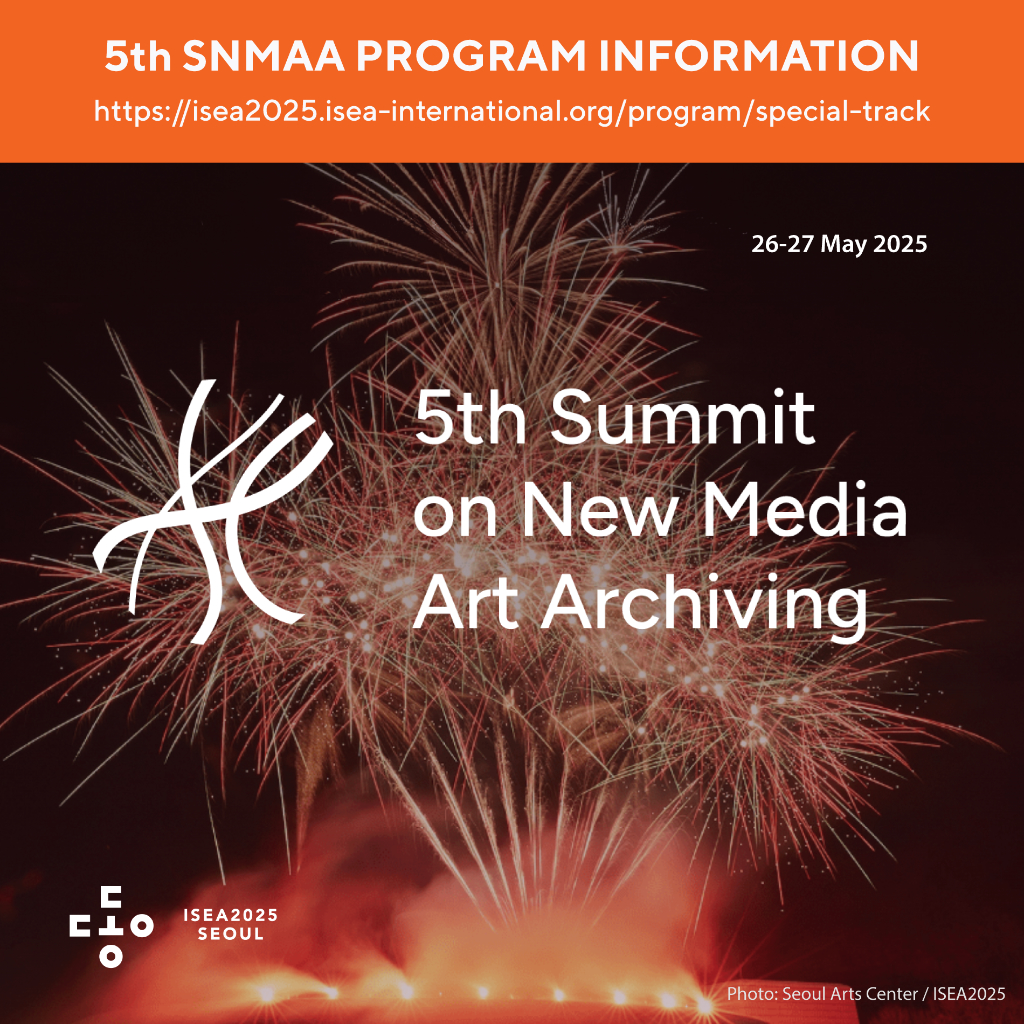
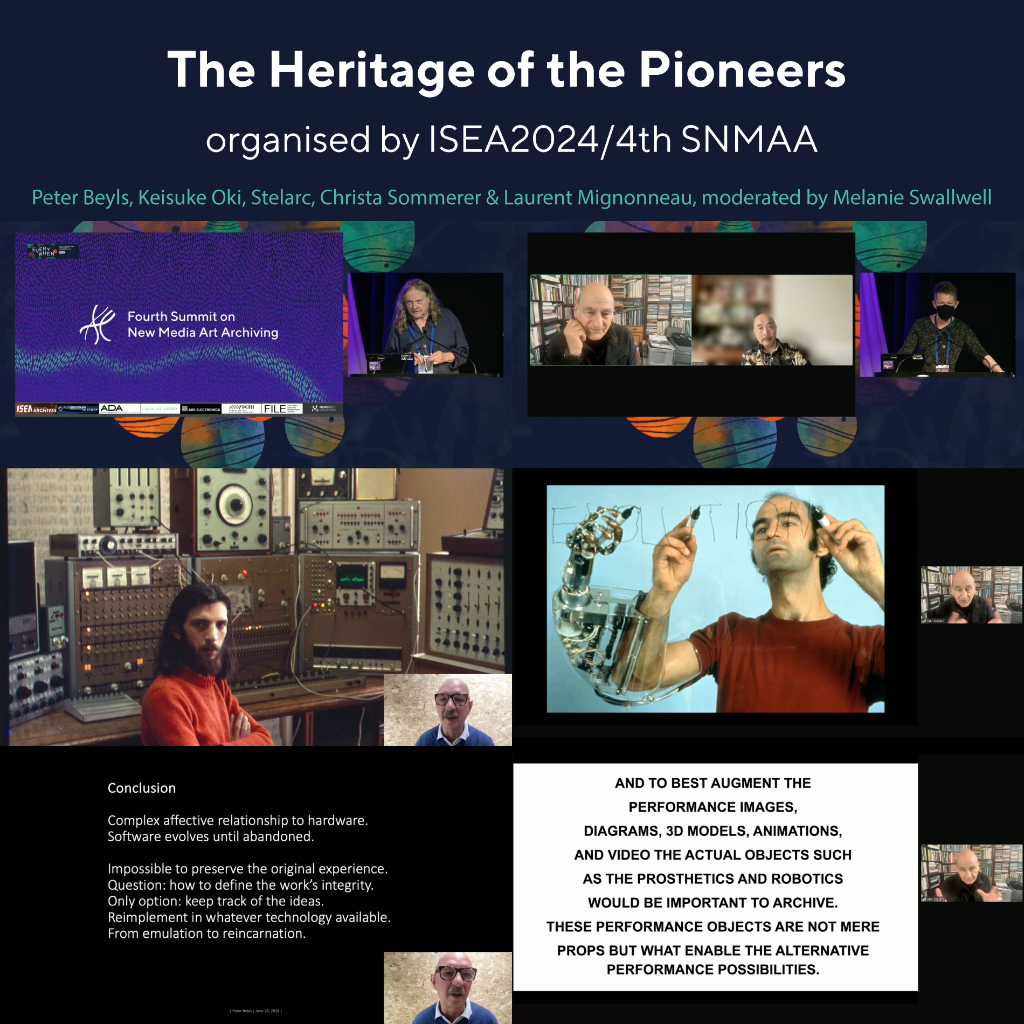
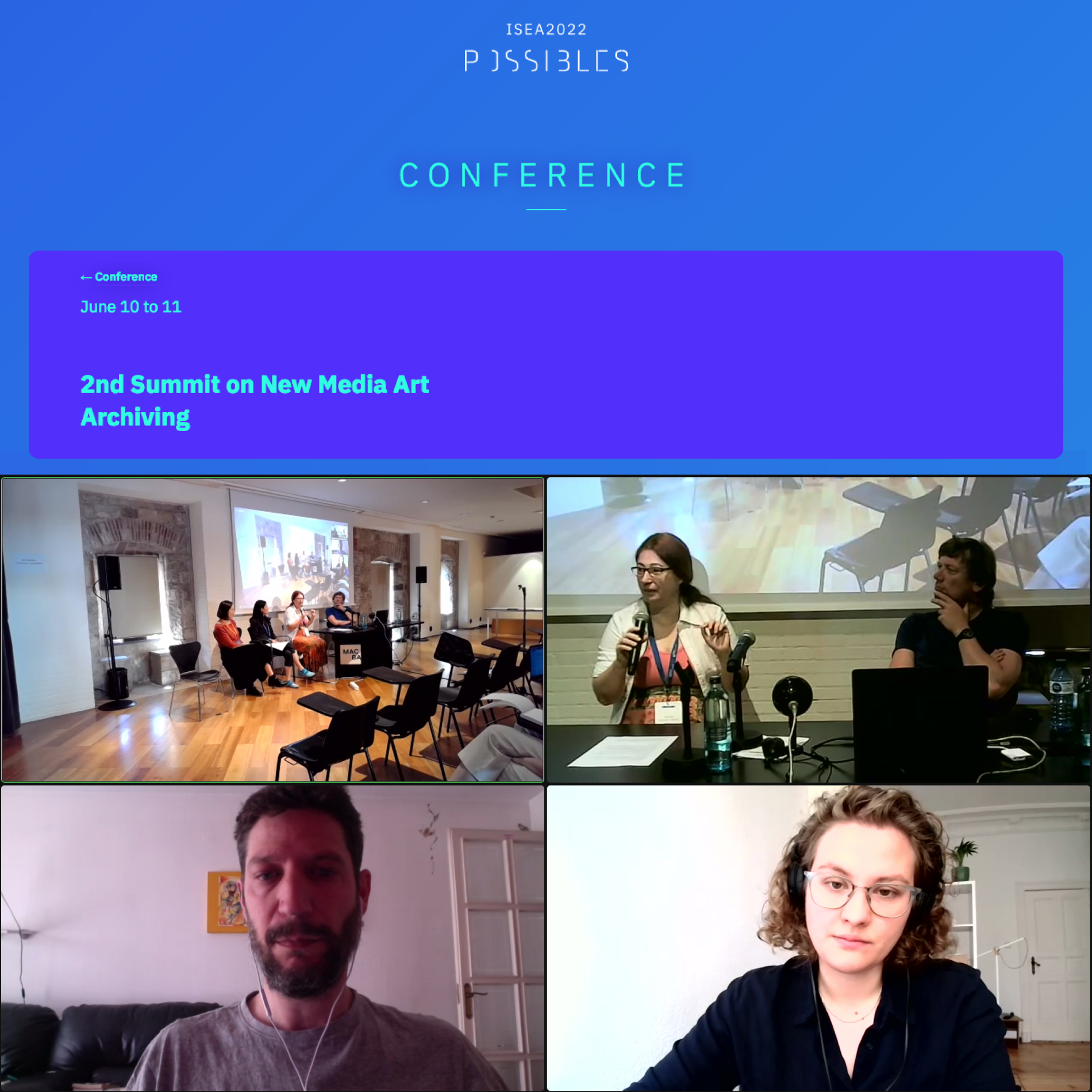
The Summit started with an ISEA roundtable discussion on new media archiving at ISEA2018 in Durban, South Africa followed by a very well-attended roundtable at ISEA2019 in Gwangju, South Korea. Since 2020, the Summit on New Media Art Archiving has brought together archivists, artists, scholars, curators, and technologists from around the world to address current challenges and emerging strategies in the documentation, preservation, and dissemination of media art. In response to rapidly evolving digital and electronic art practices, the Summit focuses on innovative archival approaches, new technologies, interdisciplinary and cross-cultural perspectives.
-Universal.png)